
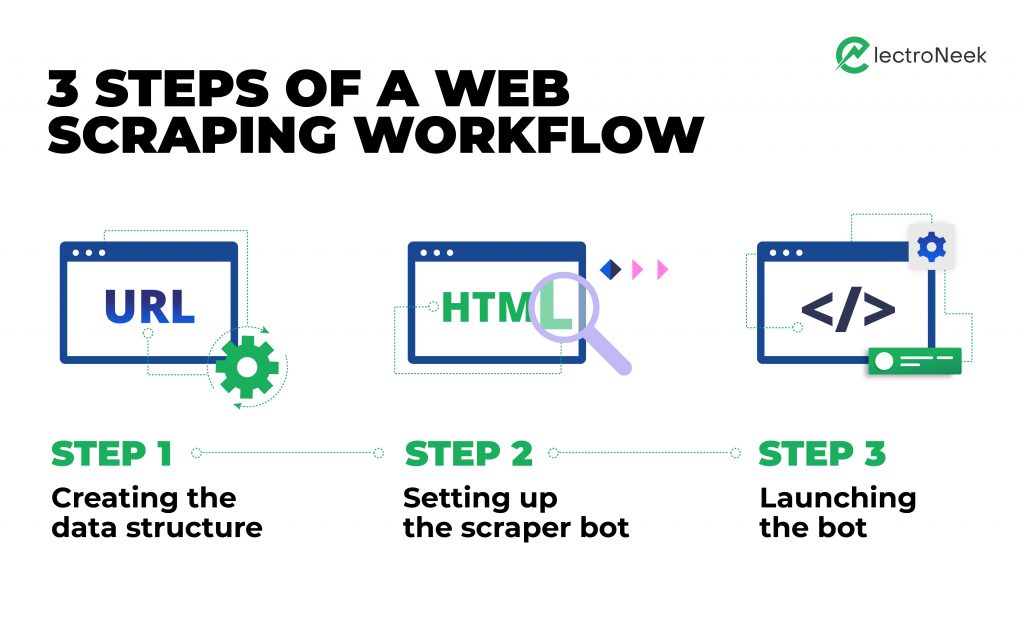
In the competitive landscape of modern business, lead generation is crucial for driving sales and ensuring business growth. Traditional methods of lead generation often involve manual research, which can be time-consuming and inefficient. Web scraping, however, offers an automated solution to gather vast amounts of data from various online sources Screenshot API, enabling businesses to build and expand their lead databases. By extracting publicly available information from websites, social media, business directories, and more, companies can create targeted lists of potential clients, partners, or customers. In this article, we will explore how web scraping can be used for lead generation, highlighting the benefits, tools, and strategies involved.
1. Identifying Potential Leads from Various Sources
The first step in using web scraping for lead generation is identifying potential sources of data. Web scraping allows you to extract data from a wide range of online platforms, such as business directories, e-commerce websites, social media profiles, forums, and company websites. For example, if you are in B2B sales, scraping company databases like LinkedIn or Crunchbase can provide you with details about key decision-makers, such as their names, job titles, and company affiliations. Similarly, if you’re in the real estate business, you could scrape listings from property websites to gather contact details of individuals or companies looking to buy or sell properties. By targeting websites that are relevant to your industry, you can gather valuable lead information such as email addresses, phone numbers, and social media profiles.
2. Automating Lead Data Extraction
One of the primary benefits of using web scraping for lead generation is automation. Manual data collection can be incredibly time-consuming and prone to errors, especially when dealing with large volumes of leads. Web scraping tools automate this process by allowing you to extract data on a large scale in a fraction of the time it would take manually. With tools like BeautifulSoup, Scrapy, or Octoparse, you can create scripts that automatically scrape information from multiple web pages, compile it into a structured format, and store it in a database or spreadsheet. This automation not only saves time but also ensures that your lead database remains up-to-date by continuously scraping new data at regular intervals. With automated scraping, you can scale your lead generation efforts significantly, providing you with a constant stream of fresh prospects.
3. Refining and Targeting Your Leads
Web scraping doesn’t just provide raw data; it also enables you to refine and target your leads more effectively. By filtering and segmenting the data you collect, you can create highly targeted lists that align with your specific sales goals. For instance, if you are looking to generate leads for a SaaS product, you might scrape websites in the tech industry and filter out companies with specific needs or characteristics, such as companies that have recently expanded or are in need of your particular solution. Additionally, you can use filters like location, company size, or industry type to ensure that the leads you gather are a perfect match for your services or products. This segmentation makes it easier to focus your marketing and outreach efforts on prospects who are more likely to convert into paying customers.
4. Validating and Enriching Your Lead Data
While web scraping provides you with a wealth of data, not all of it will be accurate or complete. A critical step in using web scraping for lead generation is validating and enriching the data you collect. This can be done by cross-referencing scraped contact information with external databases or using data validation tools to verify the accuracy of email addresses, phone numbers, and other details. You can also enrich your leads by using third-party services that provide additional information, such as company revenue, employee count, or recent activities, which can help further refine your sales strategy. By combining scraped data with third-party enrichment services, you ensure that your lead database is both accurate and comprehensive, increasing the chances of a successful conversion.
5. Complying with Legal and Ethical Guidelines
When using web scraping for lead generation, it is essential to follow legal and ethical guidelines to avoid potential issues. Many websites have terms of service that prohibit scraping, and violating these terms can result in your IP being blocked or legal consequences. To ensure that you scrape responsibly, start by reviewing the robots.txt file of the websites you intend to scrape, as it indicates which parts of the site are open to scraping and which are not. Additionally, be mindful of data privacy regulations such as the General Data Protection Regulation (GDPR) in the European Union, which places strict rules on how personal data is collected and used. It’s also a good practice to avoid overwhelming websites with excessive requests, as this can disrupt their normal operation. By following best practices and respecting legal boundaries, you can use web scraping for lead generation in an ethical and compliant manner.
In conclusion, web scraping offers a highly effective and efficient method for lead generation, allowing businesses to gather large volumes of targeted data from various online sources. By automating the data collection process, refining your leads, and ensuring that the information is accurate and up-to-date, you can create a valuable database of prospects that drives your sales efforts. However, it’s important to remember the legal and ethical considerations of web scraping to avoid potential pitfalls. With the right tools, strategies, and a responsible approach, web scraping can become a powerful asset in your lead generation toolkit, helping you to scale your outreach and grow your business.
