
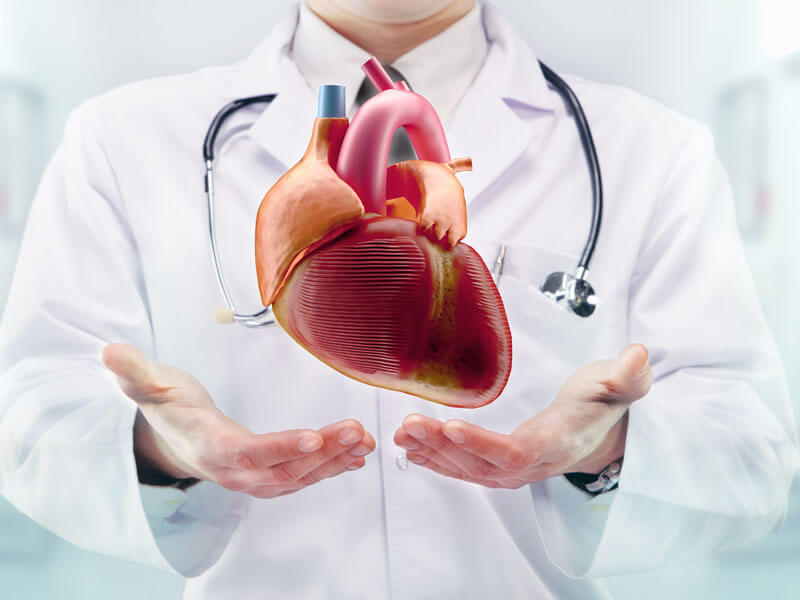
Cardiology, the branch of medicine focused on diagnosing and treating diseases of the heart and blood vessels, plays a pivotal role in global healthcare. As cardiovascular 心臟專科 diseases remain the leading cause of death worldwide, the importance of cardiology cannot be overstated. This medical specialty covers a broad spectrum of conditions, including coronary artery disease, arrhythmias, heart failure, hypertension, and congenital heart defects. With the increasing prevalence of sedentary lifestyles, poor diets, and stress-related disorders, cardiologists are more essential than ever in guiding patients toward heart-healthy lives through prevention, treatment, and education.
The diagnostic tools used in cardiology have advanced significantly over the past few decades, allowing for earlier detection and more accurate assessments of heart conditions. Technologies such as electrocardiograms (ECG), echocardiography, stress testing, and cardiac catheterization provide critical insights into how the heart is functioning. More recently, innovations like cardiac MRI, CT angiography, and wearable heart monitors have revolutionized the way cardiologists monitor and evaluate patients, even from a distance. These tools enable healthcare providers to identify issues before they become life-threatening, empowering patients to take action through lifestyle changes and timely medical interventions.
Treatment in cardiology ranges from lifestyle and medication management to complex procedures and surgeries. Mild conditions such as early-stage hypertension can often be controlled through diet, exercise, and medication, while more severe problems like blocked arteries may require stents, angioplasty, or bypass surgery. For heart rhythm disorders, pacemakers and implantable defibrillators have become vital tools. Advances in interventional cardiology now allow many procedures to be performed using minimally invasive techniques, reducing recovery time and improving patient outcomes. The shift from open-heart surgeries to catheter-based procedures has transformed the field, making it safer and more accessible.
Preventive cardiology has emerged as a powerful tool in reducing the incidence of cardiovascular disease. Rather than waiting for symptoms to appear, cardiologists now emphasize early screenings, risk assessments, and patient education. Factors such as high cholesterol, high blood pressure, obesity, diabetes, and smoking are closely monitored and addressed before they lead to serious complications. Preventive strategies also include counseling on nutrition, physical activity, stress reduction, and sleep quality. By identifying and managing risk factors early, cardiologists can help patients avoid heart attacks, strokes, and other life-threatening events.
Cardiology is also playing a critical role in integrating personalized and precision medicine into routine care. Genetic testing, biomarker analysis, and advanced imaging are helping doctors tailor treatments to each patient’s unique profile. This individualized approach allows for more effective care, especially for complex conditions like heart failure or inherited arrhythmias. Artificial intelligence and machine learning are also being used to interpret large volumes of patient data, identify patterns, and predict outcomes. As technology and data analytics become more integrated with medicine, cardiology is poised to deliver even more accurate, efficient, and patient-centered care.
The future of cardiology is focused on innovation, collaboration, and global awareness. Ongoing research is exploring regenerative therapies using stem cells, improved drug delivery systems, and even wearable devices that can detect heart attacks before they occur. Cardiologists continue to work alongside primary care doctors, nutritionists, and mental health professionals to offer comprehensive cardiovascular care. Public education campaigns and accessible heart health resources are essential in reducing the burden of heart disease on communities worldwide. With a combination of advanced science, early prevention, and compassionate care, cardiology continues to lead the way in saving lives and enhancing quality of life.
