
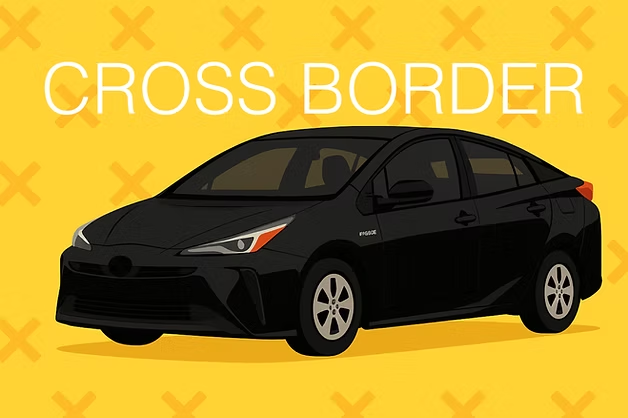
In a world where borders between regions and countries are increasingly traversed for business, tourism, education, and family connections, cross-boundary taxi services have become an essential mode of transportation. These services offer seamless travel between regions, such as between Hong Kong and Mainland China or between cities in neighboring European countries. With a 北角去深圳 focus on comfort, efficiency, and door-to-door service, cross-boundary taxis have become a preferred choice for travelers seeking hassle-free and time-saving solutions.
The primary appeal of cross-boundary taxi services lies in the convenience they offer. Unlike conventional public transportation, which often involves multiple transfers, strict schedules, and long queues, cross-boundary taxis provide a direct and personalized travel experience. Passengers are picked up at their chosen location and dropped off at their destination without the need for transfers. This is particularly advantageous for travelers carrying heavy luggage, traveling with children or the elderly, or those who value time and privacy during transit.
In terms of comfort and safety, cross-boundary taxis excel over other forms of transport. Most service providers operate modern, air-conditioned vehicles equipped with amenities like phone chargers, Wi-Fi, and spacious seating. Professional drivers are trained to navigate border crossings efficiently and are knowledgeable about customs procedures, reducing the potential for delays or confusion. Many companies also emphasize hygiene and vehicle cleanliness, especially in the wake of heightened health concerns, making cross-boundary taxis a safer alternative to crowded buses or trains.
Efficiency is another key factor driving the popularity of these services. Business travelers, in particular, benefit from the speed and flexibility offered by cross-boundary taxis. These vehicles often use designated express lanes at border checkpoints, minimizing waiting times and ensuring that passengers reach their destinations on schedule. Additionally, many services allow for flexible departure times and easy online bookings, giving users more control over their travel plans. This level of efficiency is difficult to match with traditional modes of public cross-border transportation.
Despite the benefits, operating cross-boundary taxi services comes with regulatory and logistical challenges. Different jurisdictions may have varying requirements for vehicle permits, driver licenses, insurance coverage, and passenger quotas. Service providers must comply with all relevant regulations to operate legally and safely. Coordination between transport authorities and cross-border agreements is necessary to streamline operations. Some regions also limit the number of cross-boundary taxi licenses, affecting availability and service frequency during peak travel periods.
In conclusion, cross-boundary taxi services have revolutionized regional mobility by providing an efficient, comfortable, and convenient transportation option for those traveling across borders. As international collaboration and cross-regional movement continue to increase, these services will play an even more vital role in connecting people and places. With advancements in technology and improved regulatory cooperation, cross-boundary taxi services are poised to expand further, offering even greater convenience and accessibility to travelers worldwide.
