
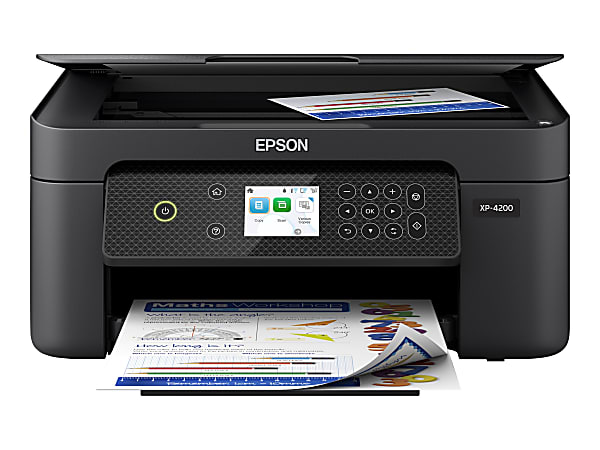
When it comes to choosing the right color printer, the debate between inkjet and laser models has long stirred confusion among home users and professionals alike. Both technologies offer excellent advantages, but understanding the key differences between them is essential if you want to make a smart purchase that meets your printing needs. In the beginning, inkjet printers might appear more budget-friendly and compact, making them a popular choice for home use. These machines work by spraying tiny minute droplets of ink directly onto the paper, creating rich and vibrant color designs that are particularly well-suited for photos and image-heavy documents. However, their true strength lies in color label printer you can color saturation and detail, something that photography fans, designers, and artists often appreciate.
On the other hand, laser printers operate quite differently. They use static electricity and a heated drum to transfer powdered toner onto the paper, which is then fused by heat to make a durable image. While traditionally more expensive straight up, laser printers tend to deliver better long-term value due to less expensive per page and faster print rates. They surpass in handling high-volume tasks efficiently and are especially well-suited for office environments where text-heavy documents are generally produced. If your main priority is fast, crisp black-and-white or color printing with a focus on text clarity and durability, a laser printer could easily become your productivity workhorse. Plus, the toner cartridges used in laser printers last for a longer time than ink cartridges, reducing the frequency—and the frustration—of substitutions.
Yet, choosing one isn’t always as grayscale as laser versus ink. It’s important to weigh your own personal needs. For instance, if you’re printing occasionally at home, perhaps a few documents, school responsibilities, or family photos here and there, an inkjet printer may be sufficient. Its capacity replicate vivid photos on slick photo paper can bring vacation snapshots your in a way laser printers often cannot. But that occasional use has a catch—ink cartridges tend to dry out if not used regularly, which can lead to clogged nozzles and added costs for replacement. Many inkjet owners find themselves stuck in a frustrating cycle of purchasing ink more often than they use it.
For businesses or users who print in high quantities of prints, the equation changes significantly. Laser printers tend to dominate in this space because of the speed, consistency, and lower operating costs over time. They are manufactured to handle heavy-duty workloads and can create hundreds of pages with minimal maintenance. Color laser printers have improved significantly over the years, narrowing the quality distance that once separated them from inkjets in terms of vibrant color reproduction. Although they still may not rival inkjets in photo realism, for chart, infographics, brochures, and everyday color tasks, they’re more than sufficient.
Cost is another critical factor that often tips the skin scales. Inkjet printers usually have a lower straight up cost, that produces them popular with budget-conscious buyers. However, the real expense lies in the ink. Cartridge substitutions can quickly add up, particularly when you opt for brand-name products. Some users find themselves exploring third-party inks or refillable options, but these come with their own risks, such as reduced print quality or voided extended warranties. Laser printers, despite their higher initial price tag, often prove less expensive in the long run due to cheaper toner refills and higher page brings per cartridge. The whole cost of ownership, therefore, may end up favoring laser if you print frequently.
Portability and presence also matter, specially if you’re short on space. In general, inkjet printers are lighter and smaller, easily fitting into a home business office corner or even on a corner. Laser printers, in comparison, are bulkier and heavier, especially color models offering more components. If you live in a small apartment or frequently move your setup around, this physical difference could influence your buying decision more than print quality or speed.
Ultimately, choosing one between an inkjet and laser printer reduces down to your unique printing habits. Are you an occasional user who values high-quality photo printing above all else? Then an inkjet may be your best bet. Or are you a busy professional or business owner who prioritizes speed, reliability, and long-term savings? In that case, a laser printer is likely the wiser investment. Each type has evolved to offer compelling features, from wireless on-line and mobile printing to automatic duplexing and high-resolution capabilities. But no printer is universally perfect—what matters most is choosing one that aligns with your needs, budget, and expectations.
