
Introduction — a wry question about smoke and sense
Who hasn’t waved a hand through a drifting plume and told themselves, “That’s just vapor, right?” I see it in small shops and makerspaces all the time: a focused craftsperson, a humming laser, and a casual shrug about the air. The second sentence must be clear: a laser cutter fume extractor is not optional background noise; it is the system that keeps fumes, VOCs, and ultrafine particles out of your lungs and away from your machines. Measurements in enclosed workshops regularly show spikes in volatile organic compounds and particle counts during cutting sessions — and yes, those numbers matter. So what exactly are we risking when we skip proper extraction — our health, our equipment, our bottom line? (Let’s be perfectly polite about the obvious peril.)
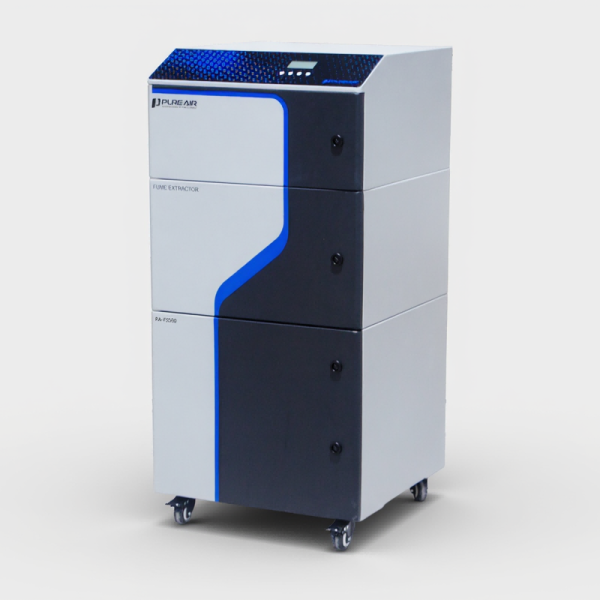
I’ll be frank: I’ve seen the short-term savings argument, and I get the impulse. Still, the immediate cash you “save” often leads to messy, costly problems later. From sticky optics to chronic coughs in staff — and, subtly, to recurring downtime — the price tags stack up. I want to walk you through the messiness with data, trade-offs, and a little judgment. Next, we’ll dig into why common fixes fail and what that costs you in real terms.
Why common extractors and DIY fixes usually miss the mark
laser cutter fume extraction is the main topic here, and I’ll be blunt: many off-the-shelf or homemade setups look good on paper but collapse under real use. First, capture is a physics problem. If your hood, ducting, or fan doesn’t provide enough airflow (measured in CFM) and capture velocity at the nozzle, fumes escape into the room. Second, filtration stage matters—cheap units often rely on a single, undersized HEPA filter or a thin layer of activated carbon that saturates quickly. Third, maintenance gets ignored. Filters clog, fans lose efficiency, and people go back to breathing the workshop air. Look, it’s simpler than you think: poor ducting, wrong fan curves, and lazy filter monitoring equal exposure and costs.
Why do common extractors fall short?
Let me list the typical failures I keep seeing: undersized fans (fan velocity mismatch), improvised ducting with too many bends (pressure drop problems), filter media that doesn’t target VOCs or metal fume specifically, and no way to monitor filter life or airflow. That combination produces re-circulation, higher noise, and reduced capture efficiency. It’s frustrating — and preventable. The practical upshot is increased machine wear (optics fouling, lens pitting), poorer indoor air quality, and more frequent filter replacements that become shockingly expensive. We can fix this, but not with guesswork or optimism alone.
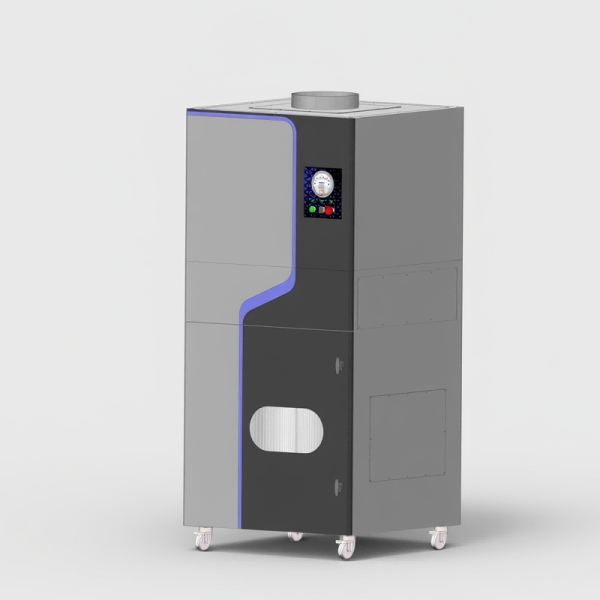
New principles and a practical roadmap for better extraction
Now let’s shift forward. I prefer to think in principles rather than quick fixes. Effective systems marry three things: correct airflow (CFM and capture velocity), appropriate multi-stage filtration (pre-filter, HEPA, activated carbon), and smart monitoring (sensors and simple control logic). Modern designs sometimes add IoT sensors or edge computing nodes for predictive maintenance — yes, that sounds fancy, but it translates into fewer surprises and lower operating cost over time. When we design or choose systems, we should prioritize capture efficiency, predictable filter life, and manageable noise levels. Those priorities reduce downtime and protect both people and gear. — funny how that works, right?
What’s next for your shop?
On the ground, that means selecting equipment with documented CFM ratings at realistic static pressures, using ducting that minimizes bends, and choosing filter media matched to the materials you cut. Add a VOC sensor linked to a simple controller and you get alerts before filters kill airflow. I’ve recommended systems that cut maintenance time and kept operators healthier — the relief is tangible. For many shops, the investment pays back in reduced filter costs, fewer optic replacements, and a happier team.
If you’re evaluating options, focus on three metrics: capture efficiency at source, effective airflow under load (CFM at real static pressure), and total cost of ownership including filter and energy costs. Those three tell you more than a glossy brochure ever will. I’m biased toward systems that combine robust filtration with simple monitoring — because I’ve watched the alternatives fail. For reliable solutions, consider vendors that publish test data and offer sensible maintenance plans. In practice, that’s what keeps a laser cutter running cleanly and staff breathing easy. For proven equipment and support, check out PURE-AIR.
